A public question, made visible.
An Incinerator for Beirut? is a 2017 environmental documentary produced and directed by Nassif Al Rayess for Ziad Abi Chaker / Cedar Environmental.
Filmed in Denmark and Lebanon, the 29-minute film looks at a question that was becoming central to Beirut’s waste debate: what does incineration actually mean once the technical, environmental and public consequences are made understandable?
Make the technical understandable. Make the public question visible.
Turning complexity into a story people could enter.
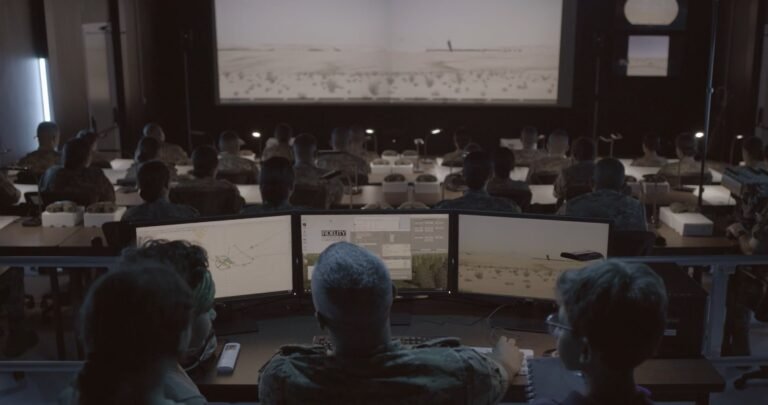
The film brought environmental expertise and cinematic storytelling into the same process. Interviews, locations and explanatory material were shaped into a documentary designed for public viewing, not just technical discussion.
The aim was not to flatten the subject into a slogan. It was to give audiences enough context to understand what was being proposed, what the trade-offs were and why the decision mattered.
From Denmark back to Beirut.
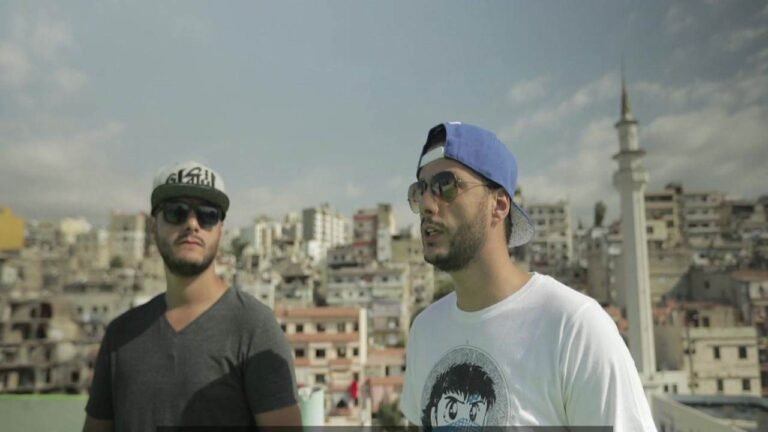
Filming in Denmark gave the documentary a comparative perspective on waste-management infrastructure before returning the conversation to Lebanon.
That movement between systems and places helped make an abstract policy issue more tangible. The film could show the infrastructure, then bring the question back to the city that would have to live with the consequences.
A film that stayed relevant.
The documentary began circulating publicly in 2018 and continued through later screenings and discussions. In March 2025, it returned to Metropolis for a revival screening, a reminder that the environmental questions behind the film had not disappeared with the original policy moment.
The project also followed an earlier collaboration around A Zero Waste Lebanon, another film exploring how environmental communication can move beyond technical language and become something people can see, understand and discuss.
A documentary can finish. A public question can stay open.
For Spred, this is the value of impact filmmaking: not simply documenting an issue, but giving a complex subject a form that invites people into the conversation.