
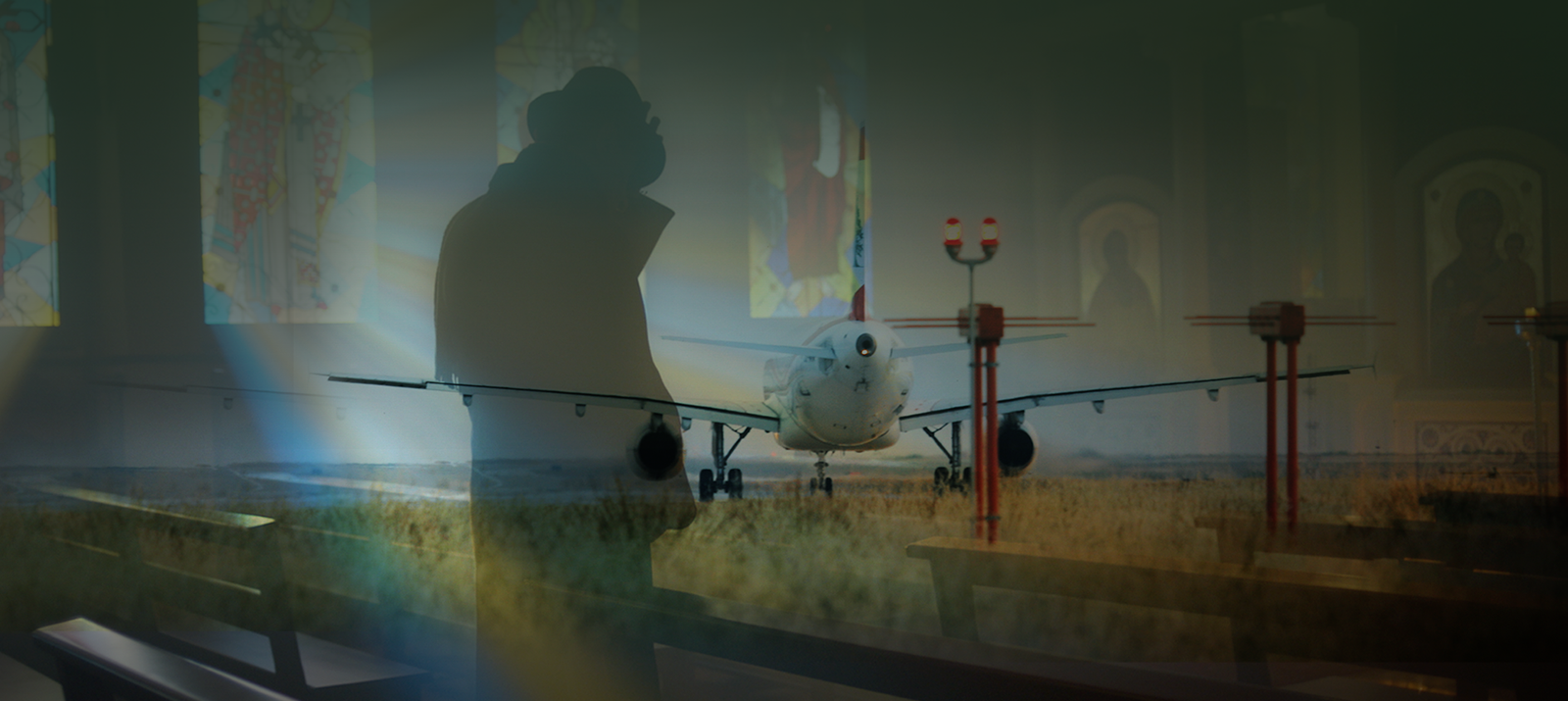
Karkha: A Village from Lebanon is an award-winning documentary film co-produced by Public Matters Lebanon and Spred Studios, directed by Nassif Al Rayess, and created by Julie BouChakra as part of the wider Homes & Heroes vision: a cinematic initiative dedicated to preserving memory, honoring place, and celebrating the emotional relationship between people and their homeland.

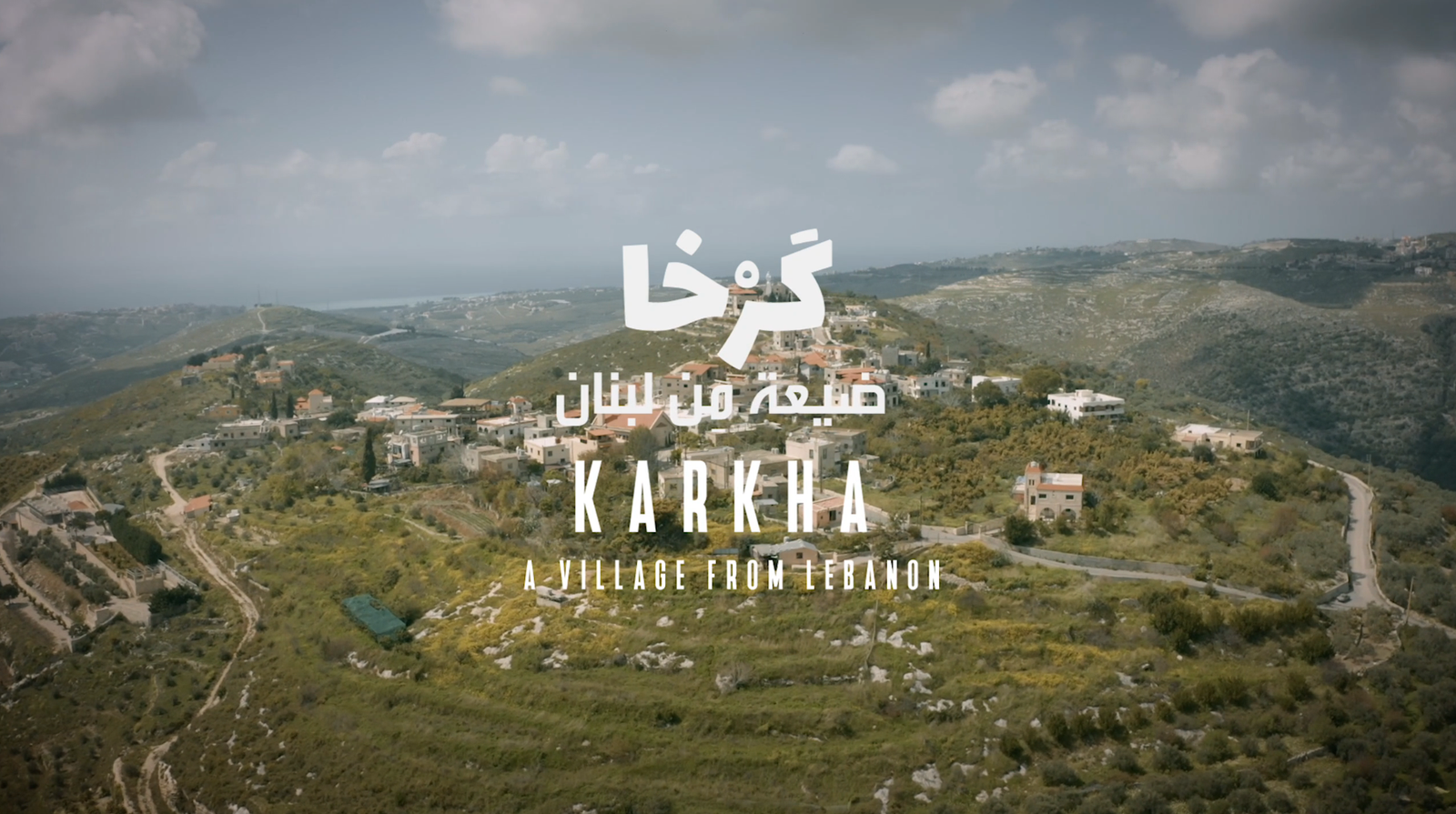
Set in the Lebanese village of Karkha, the film is more than a portrait of a place. It is a meditation on belonging, identity, continuity, and the quiet strength of communities that carry their history through people, homes, landscapes, traditions, and personal stories. Through intimate storytelling and visually grounded documentary language, Karkha: A Village from Lebanon captures the soul of a village not as a fixed location on a map, but as a living archive of memory, resilience, and human connection.
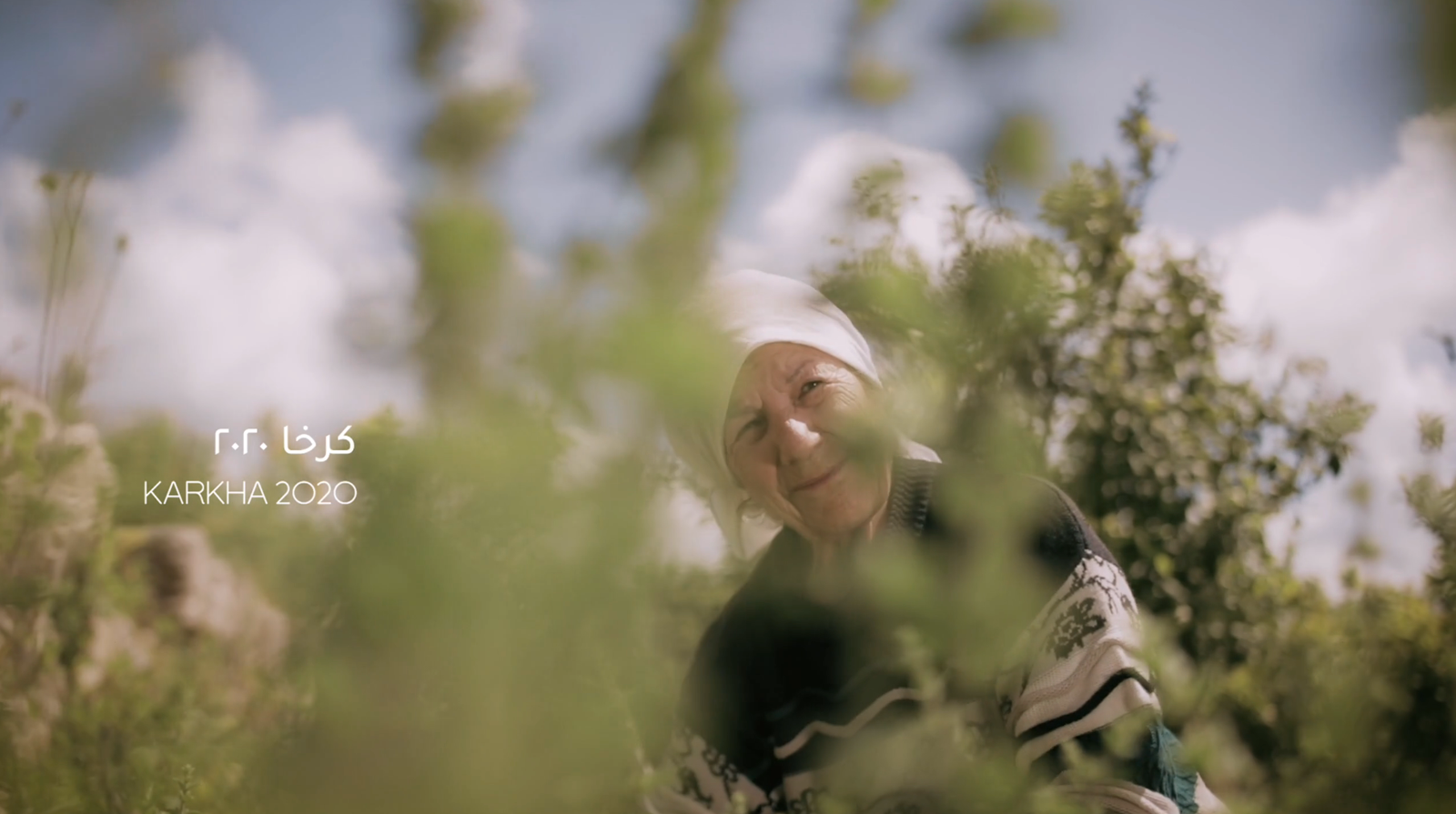
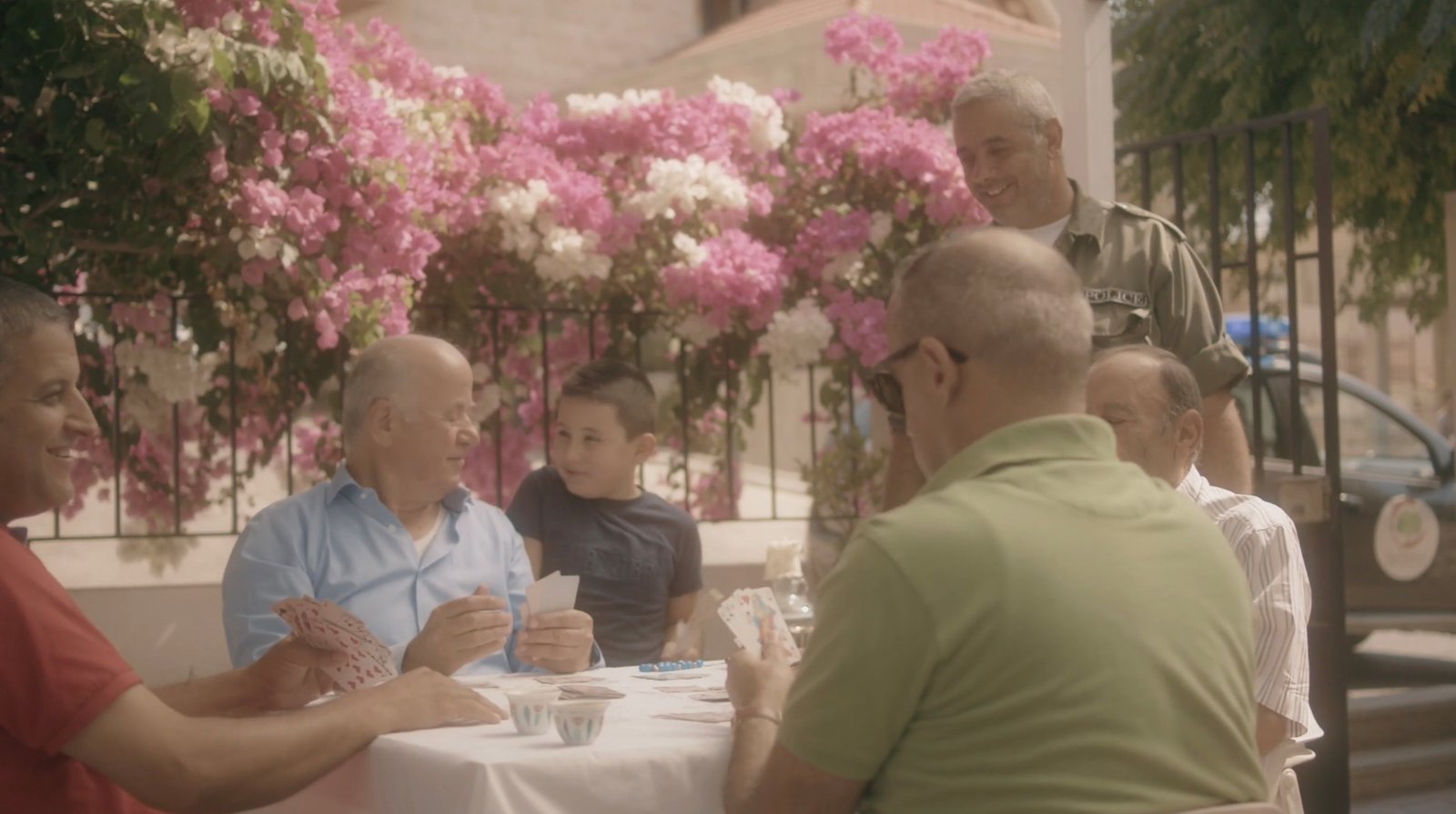
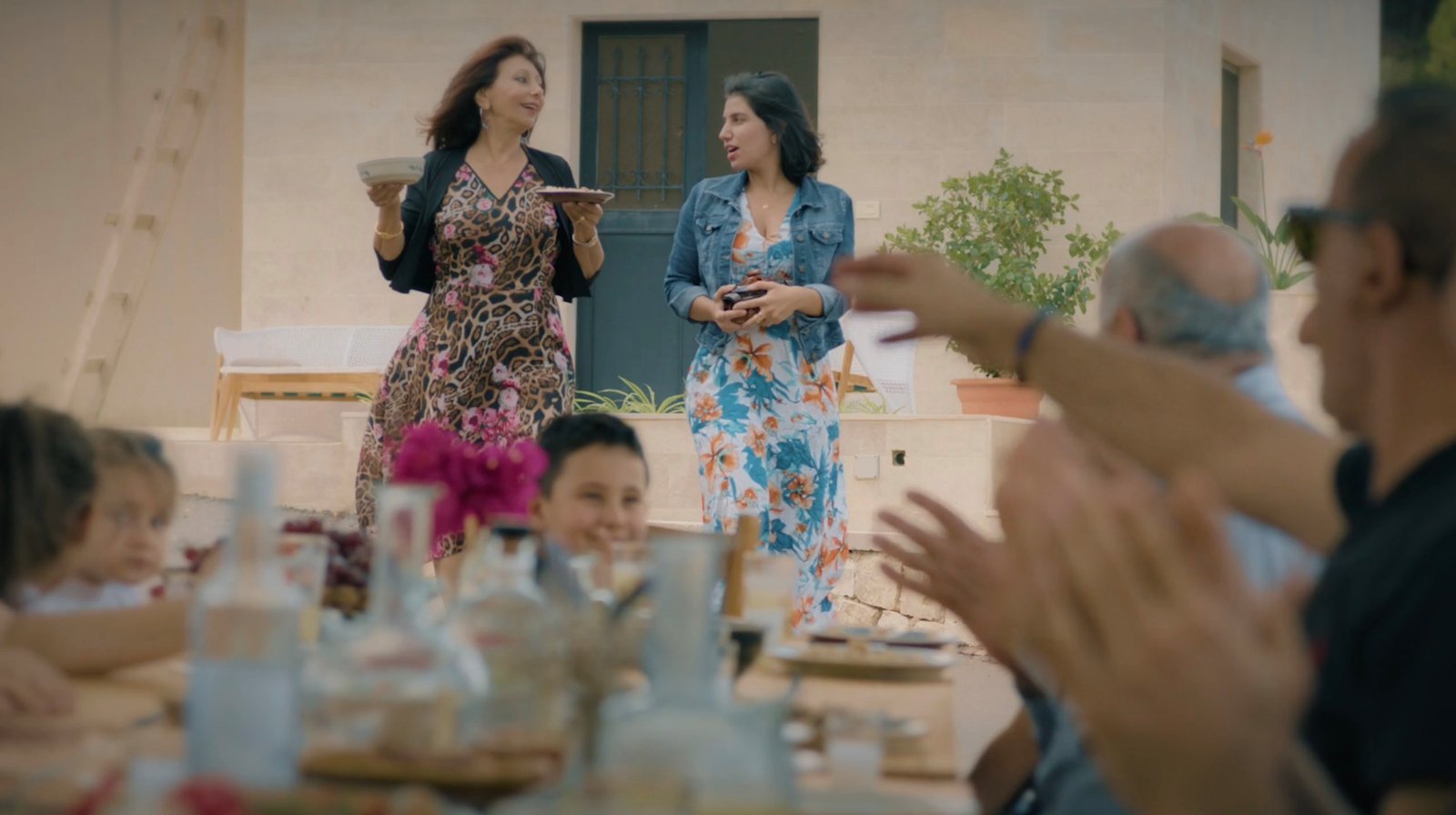
It is a tribute to Karkha.It is a tribute to Lebanese villages.It is a tribute to every person who carries home within them.
The film explores how a village becomes part of a person’s identity. It looks at the invisible ties that bind generations to their land: the homes that hold family histories, the roads that carry childhood memories, the faces that preserve local wisdom, and the emotional inheritance passed from one generation to the next. In doing so, Karkha becomes a symbol of many Lebanese villages — places shaped by migration, endurance, nostalgia, faith, loss, and pride.
At its heart, the film asks a deeply human question: what remains of a place when its people leave, return, remember, or rebuild? Through this lens, Karkha becomes both a specific village and a universal story about roots. It speaks to Lebanese people living in Lebanon and across the diaspora, especially those who carry their villages within them even when distance, time, or circumstance separates them from home.
The documentary blends cultural preservation with emotional storytelling. It does not treat heritage as something frozen in the past, but as something alive — present in voices, gestures, architecture, rituals, family bonds, and the relationship between people and land. The film gives dignity to the ordinary details of village life, revealing how they become extraordinary when seen through memory and love.
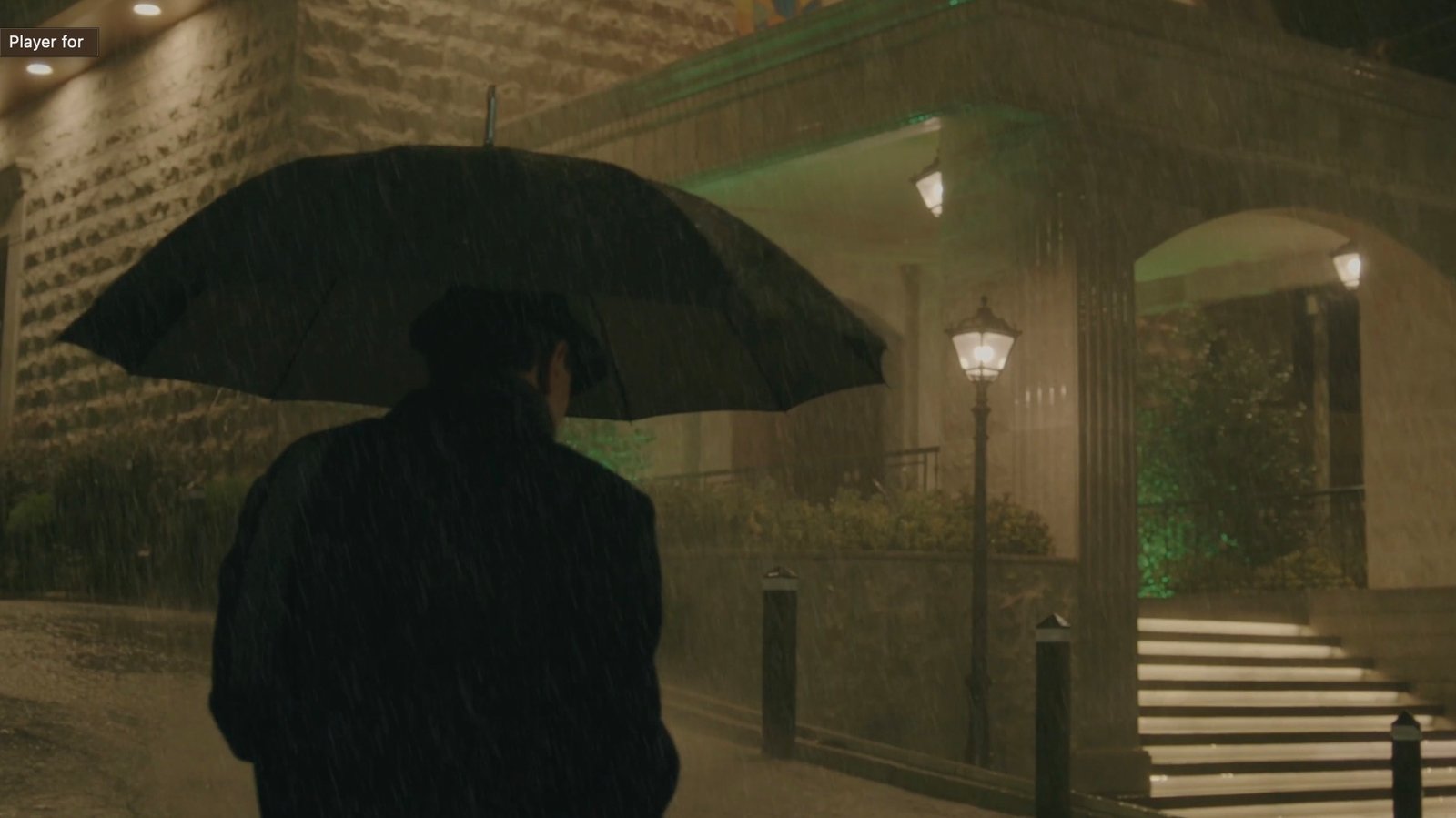
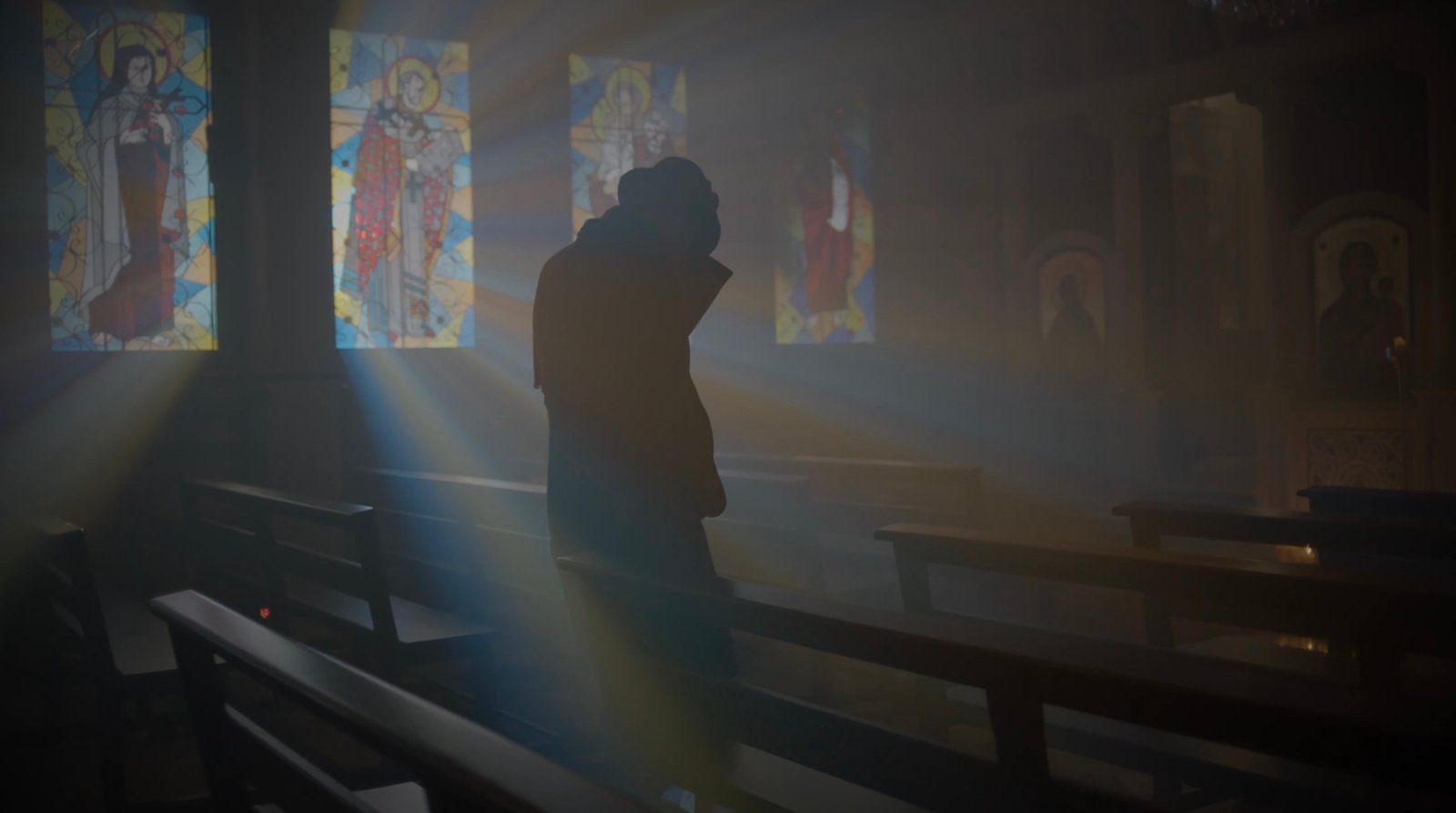
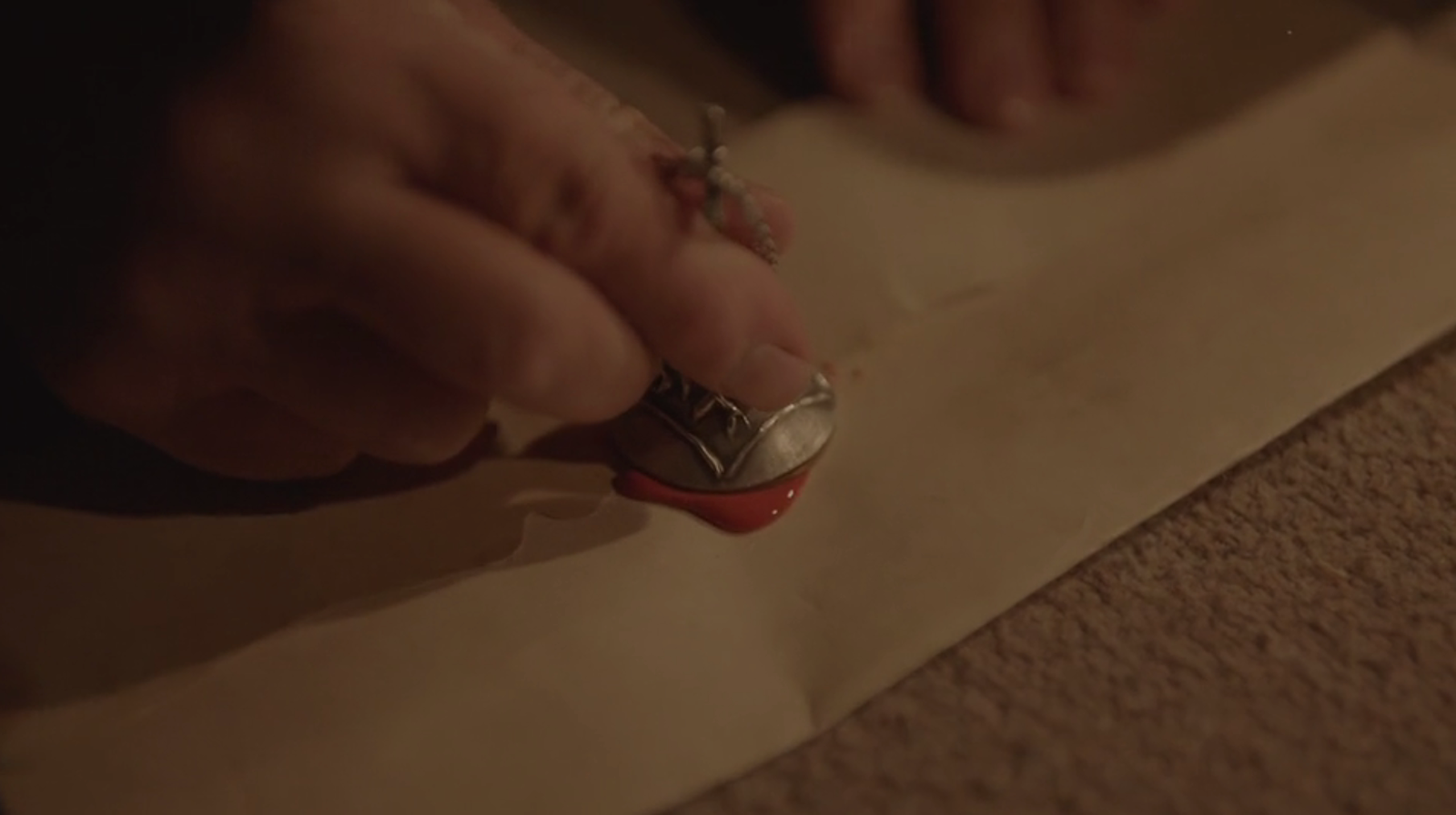
Produced through the mission of Public Matters Lebanon, the film reflects the organization’s belief in empathy, leadership, civic identity, and the power of storytelling to reconnect communities with what matters. It positions cinema as a tool for cultural awareness, intergenerational dialogue, and national memory. Rather than presenting the village from a distance, the film enters it with care, allowing Karkha to speak through its people, its silences, and its emotional landscape.
Directed by Nassif Al Rayess, the film carries a sensitive visual approach rooted in documentary realism, poetic observation, and place-based storytelling. The camera becomes a witness to memory: observing not only what is visible, but what is felt. The result is a film that is intimate, human, and reflective — a tribute to a village, but also to the Lebanese experience of belonging.
Recognized internationally, Karkha: A Village from Lebanon received Best Arabic Film at the Cannes World Film Festival, affirming its cultural and cinematic value beyond Lebanon. Its screenings, including presentations at Lebanese cultural venues and diaspora-centered spaces, helped extend the film’s emotional reach to audiences connected by heritage, migration, and the shared longing for home.
Ultimately, Karkha: A Village from Lebanon is a film about memory as a form of survival. It honors the village as a keeper of identity, the home as a vessel of history, and the human story as the most powerful way to preserve what time cannot erase.

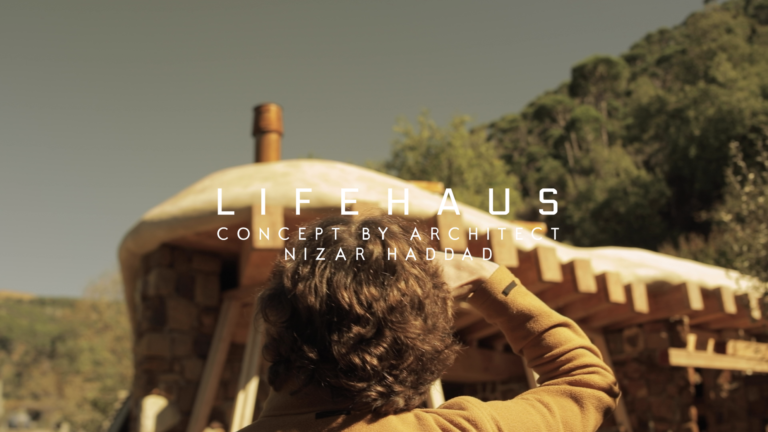
Karkha: A Village from Lebanon is a film about memory as a form of survival. It honors the village as a keeper of identity, the home as a vessel of history, and the human story as the most powerful way to preserve what time cannot erase.