

One prototype. Three years of building. A different way to think about home.
The Lifehaus Journey is a 10-minute documentary directed by Nassif Al Rayess about the making of the first Lifehaus prototype in Baskinta, Lebanon.
Set at roughly 1,200 meters above sea level, the film follows architect Nizar Haddad and the people around him as an experimental approach to sustainable living moves from idea to built reality.
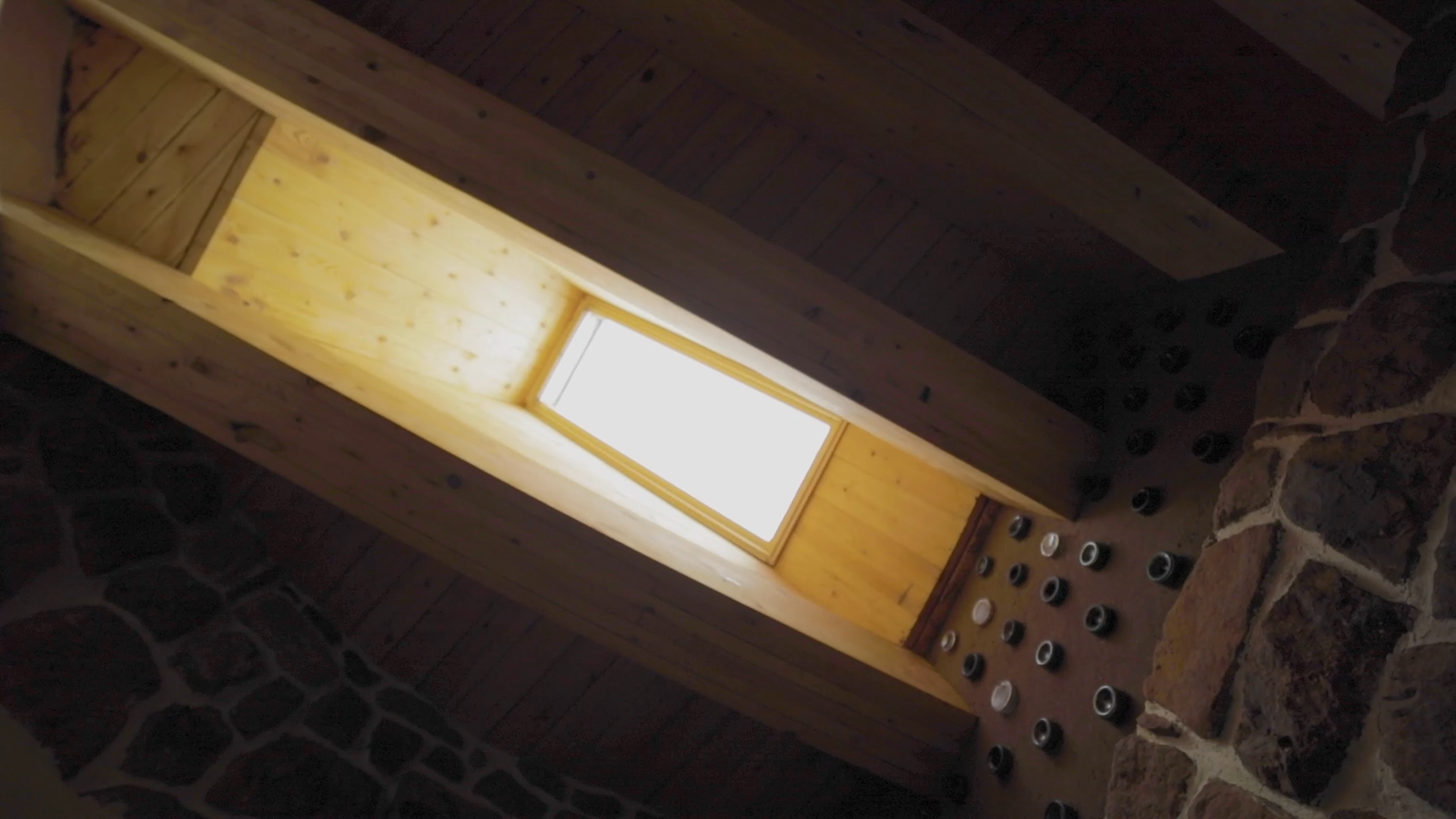
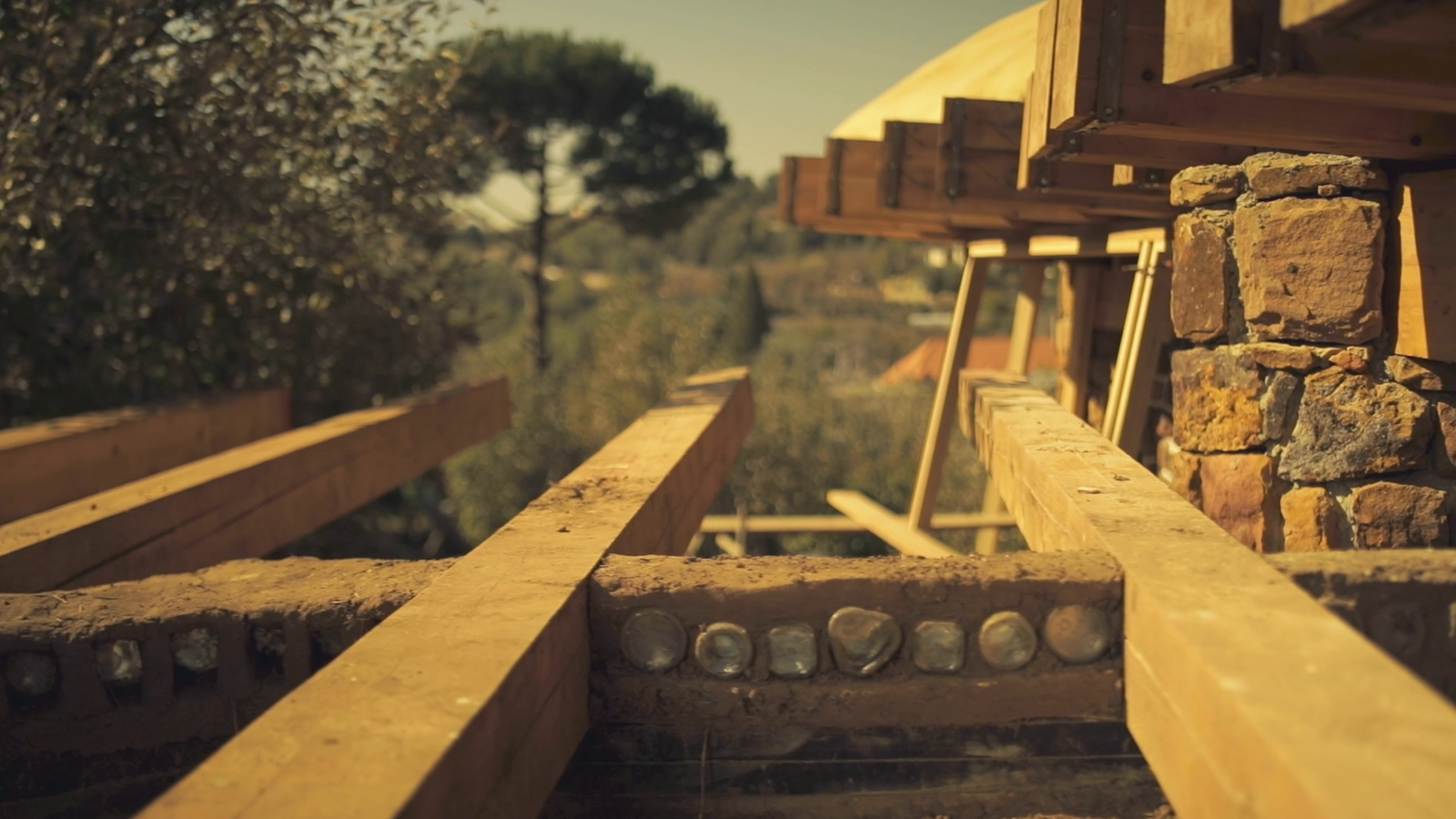
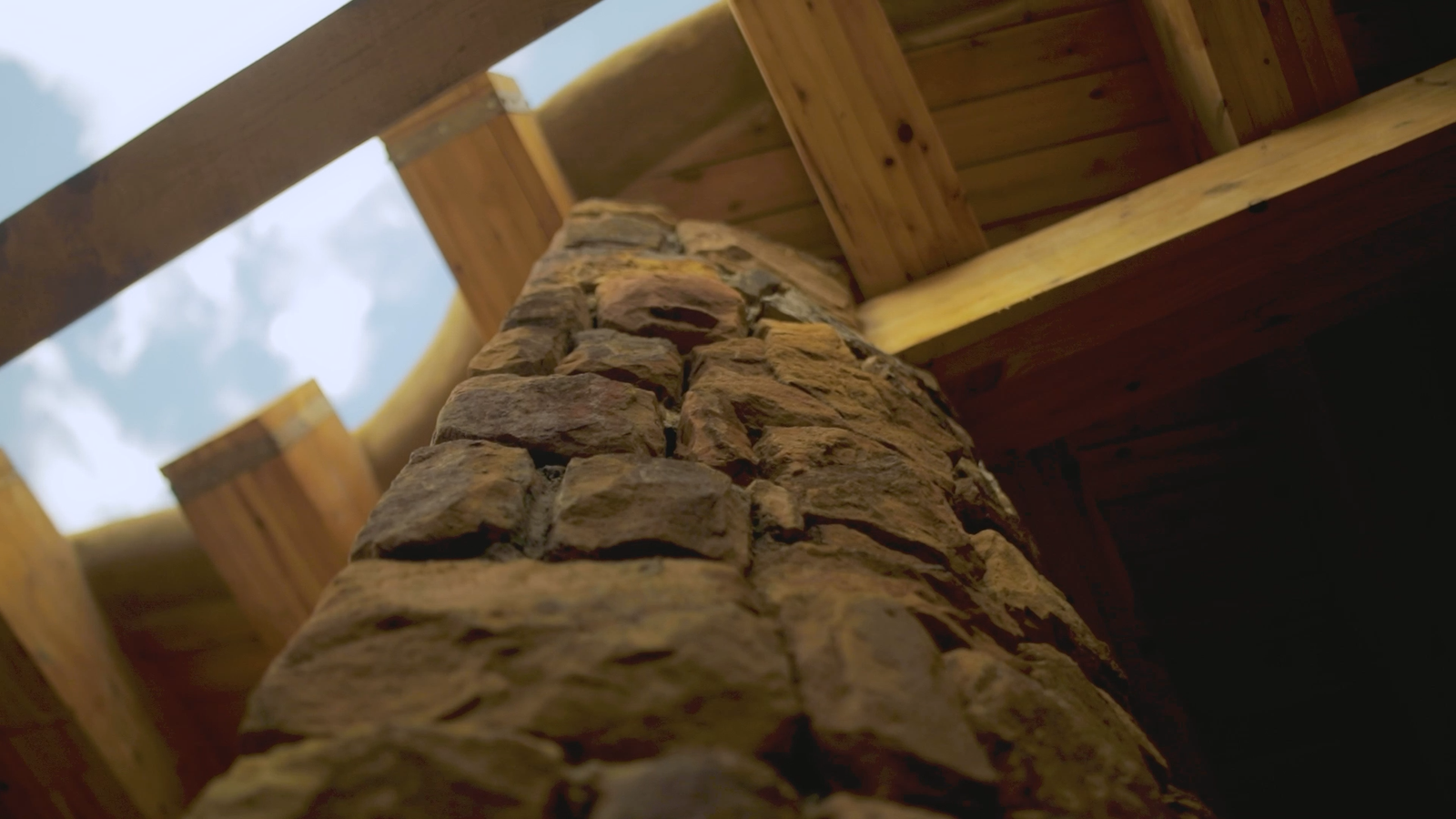
A house can be an object. It can also be a way of testing how we want to live.
Architecture as a living experiment.
Lifehaus brings sustainability, autonomy, functionality and cultural continuity into one physical environment. The documentary does not separate those ideas into a list of features. It lets the audience understand them by watching the building take shape.
Materials, landscape, interviews and everyday problem-solving become part of the same story. The architecture is explained through the process of making it real.
Documenting the build, not just the result.
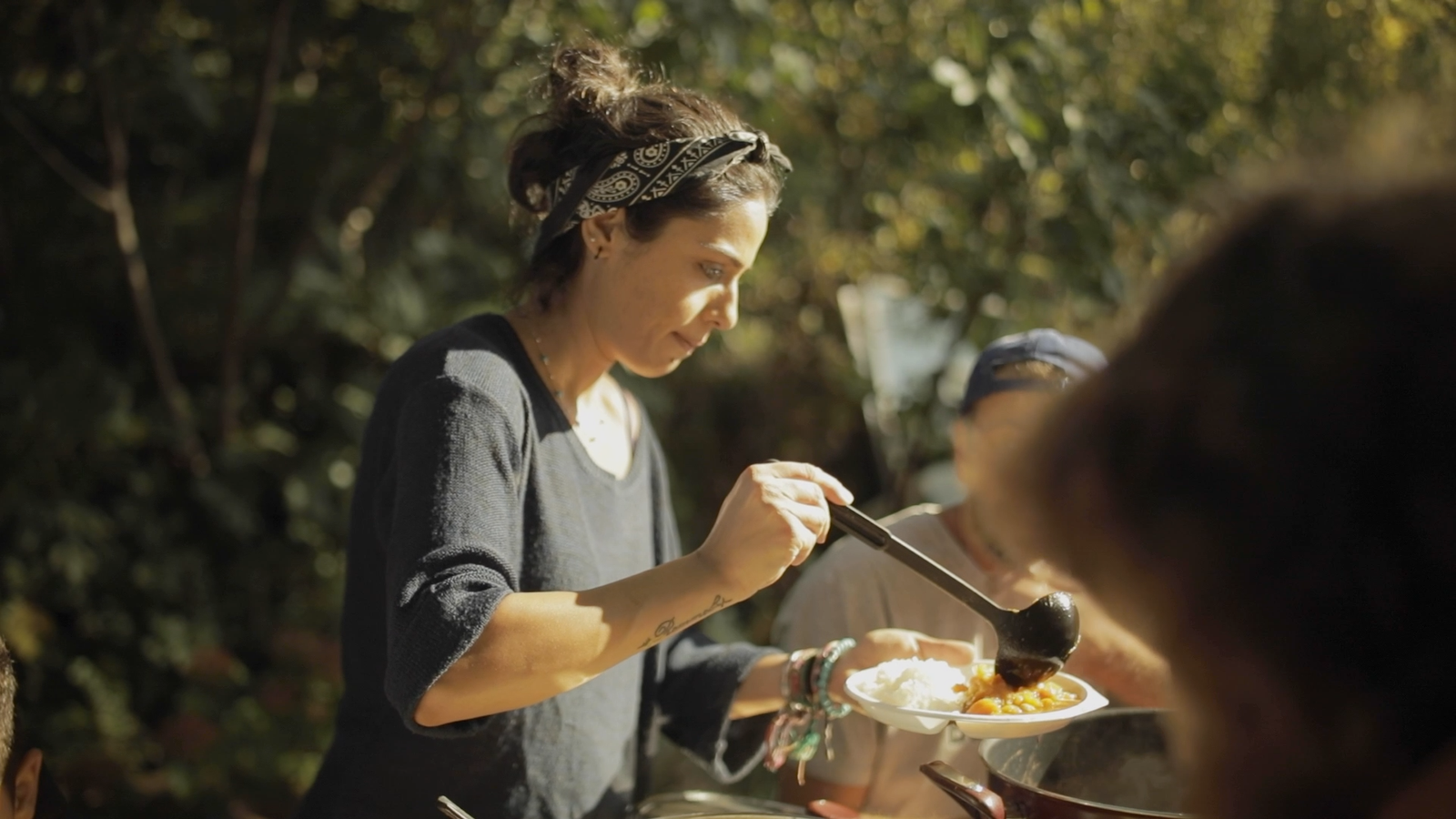
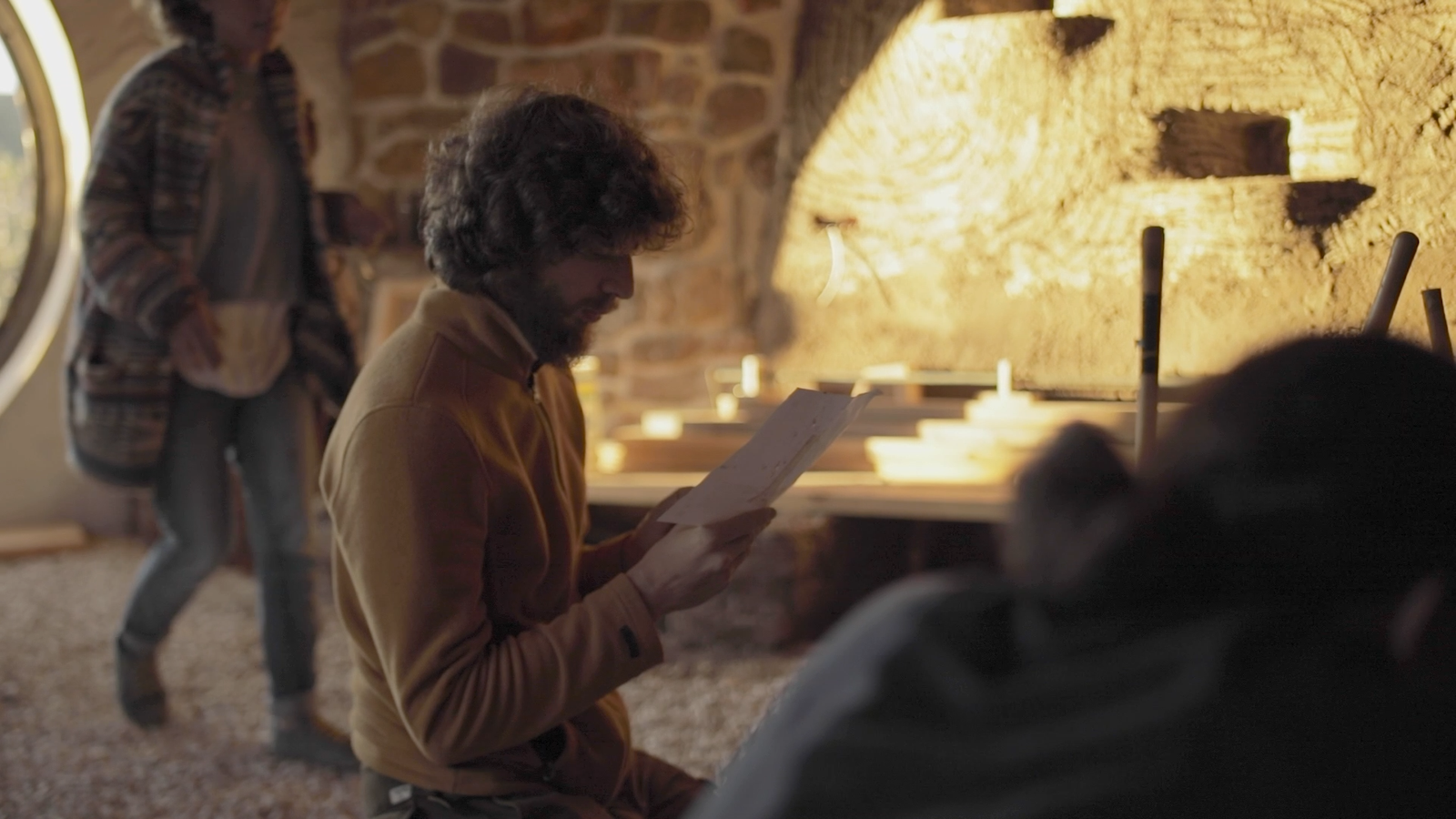
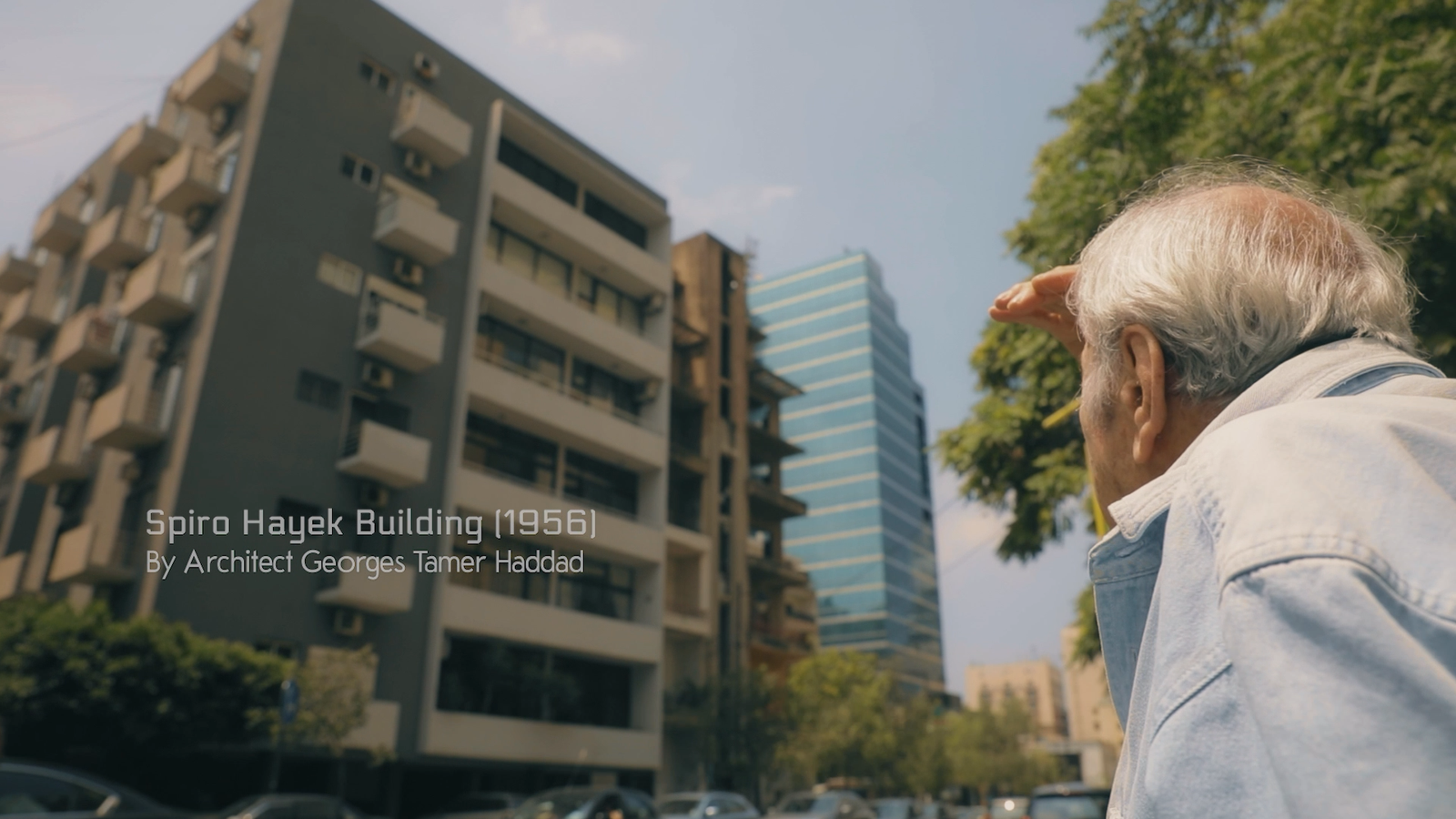
Nassif documented the project across its development, filming construction stages and conversations with the crew and volunteers involved in bringing the prototype to life.
That long observation gives the film its point of view. The finished house matters, but so do the decisions, setbacks, collaborations and gradual changes that made it possible.
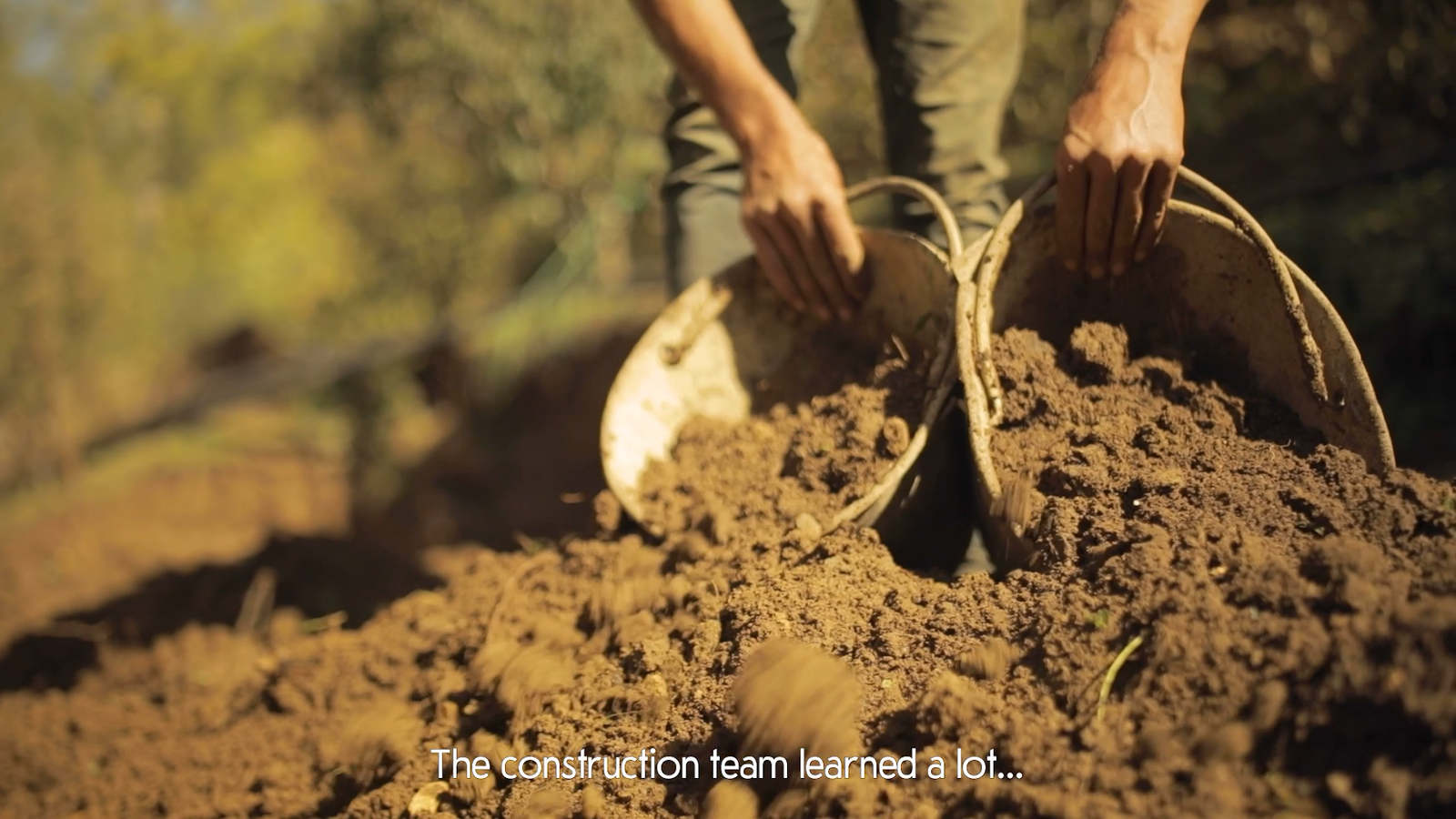
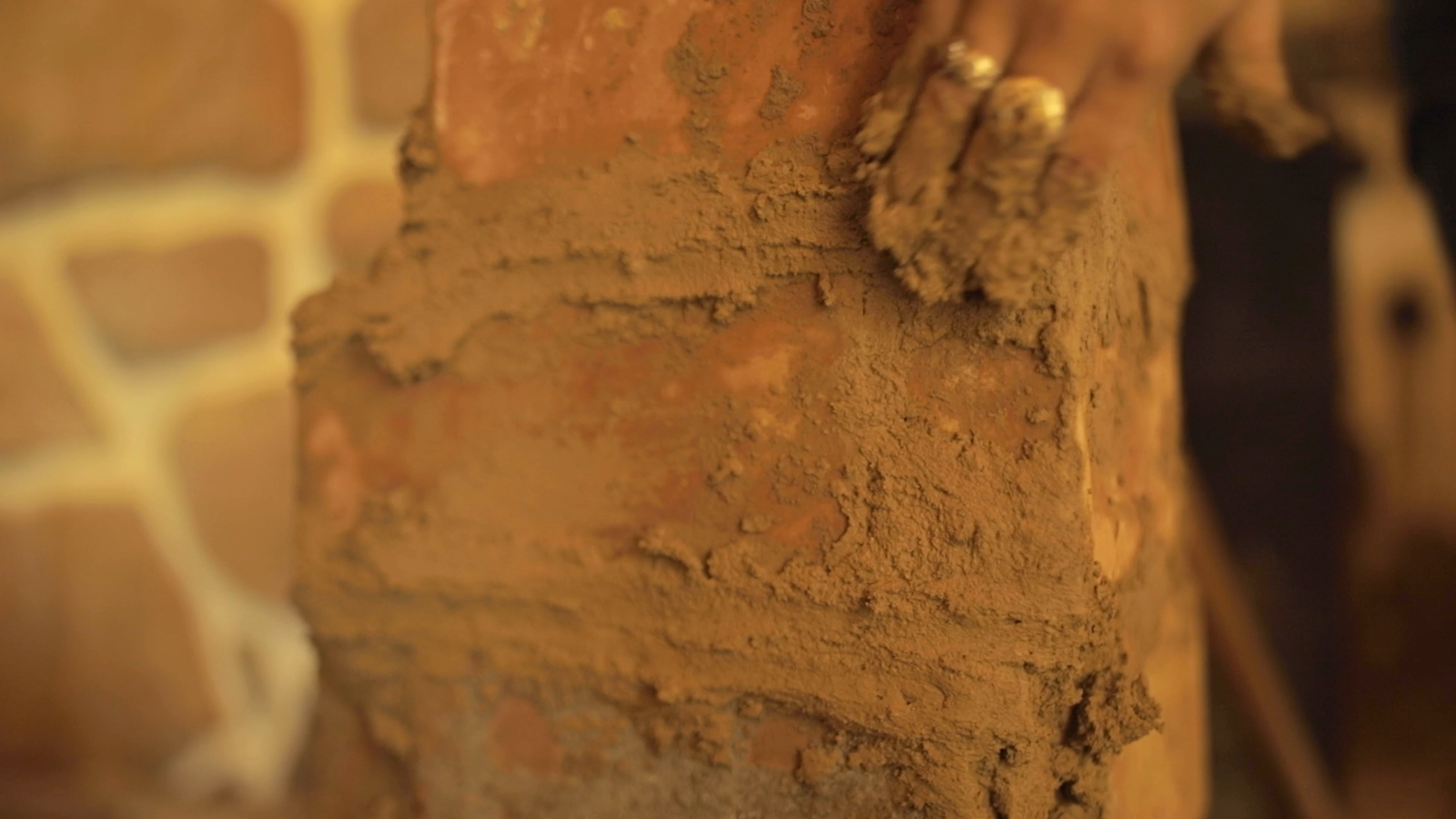
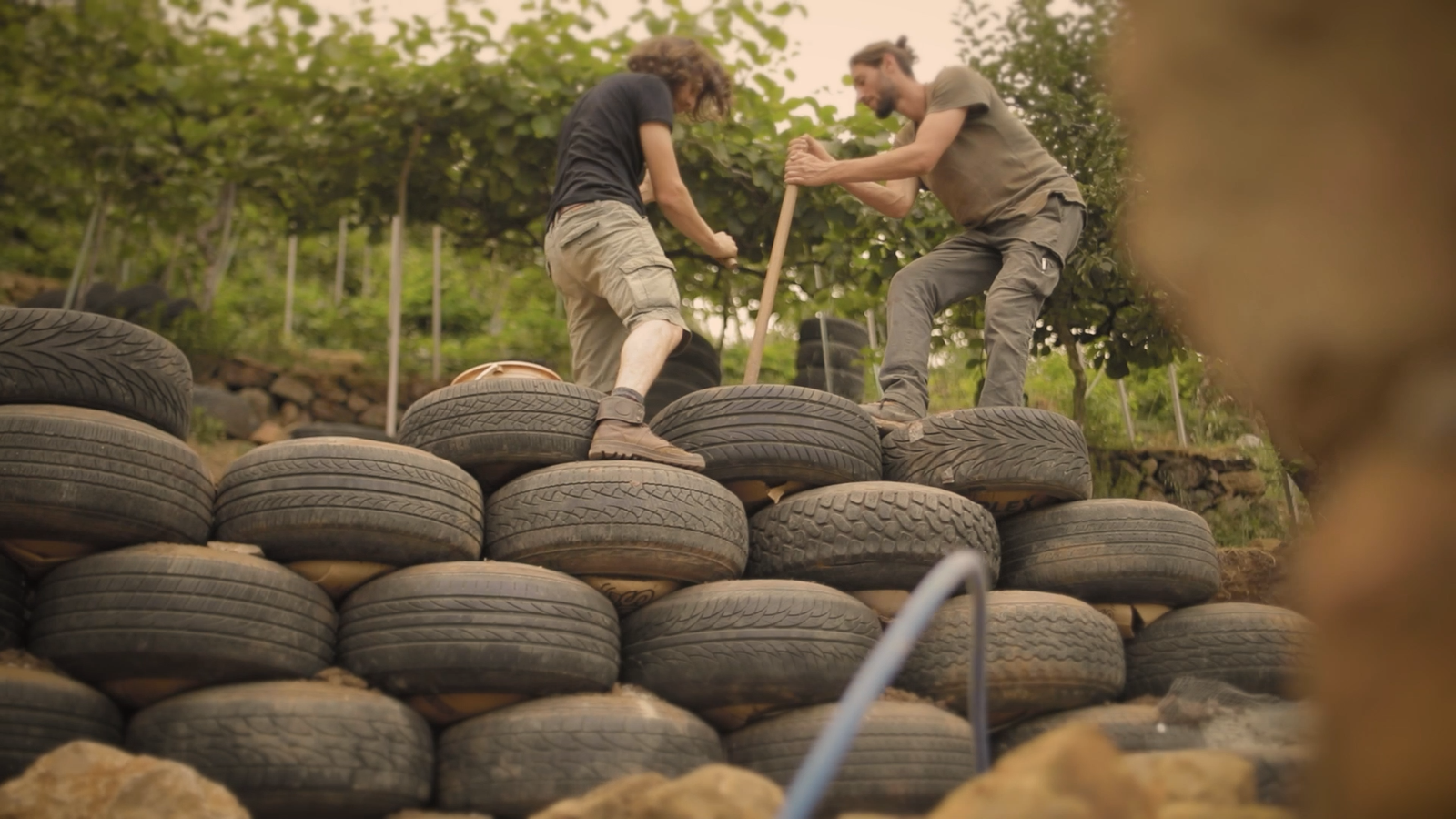
Sustainability becomes more useful when people can see how it is built.
Why it belongs in the Spred story.
The Lifehaus Journey sits naturally inside Spred’s documentary work around environment, place and practical experimentation.
It reflects an approach we return to often: stay close to the people doing the work, make complex ideas understandable through images, and let the process reveal the meaning.
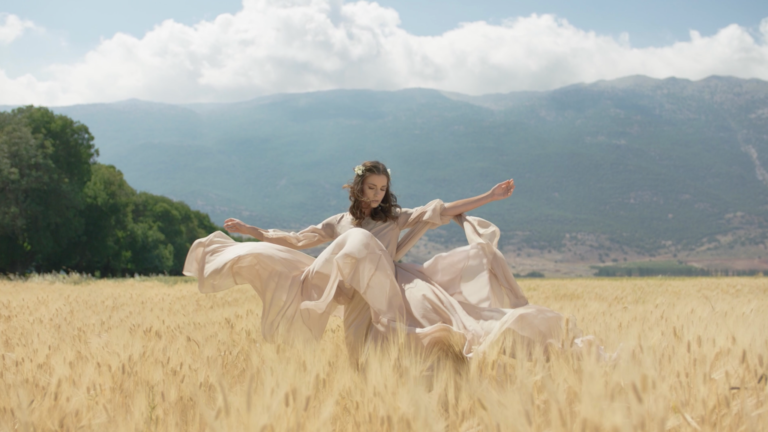
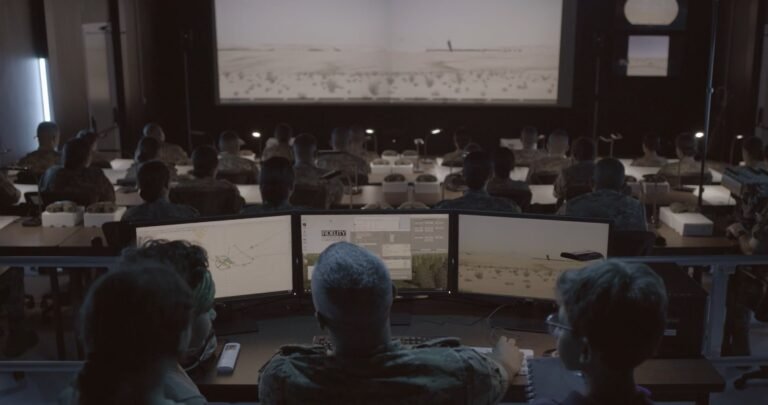
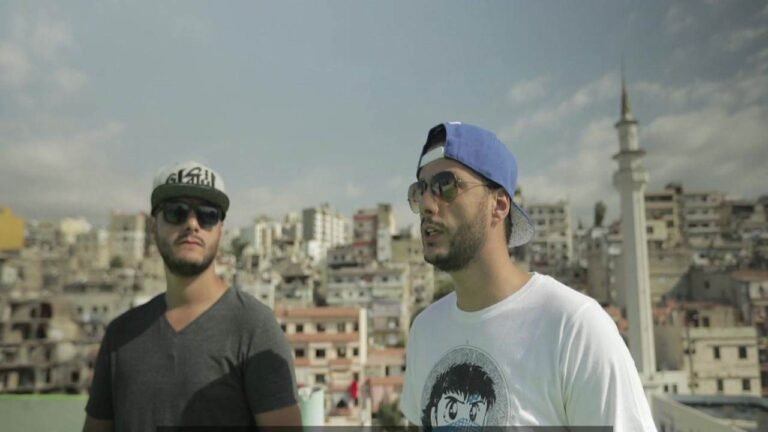
Lifehaus is a paradigm shift in architectural design with a potential to profoundly impact communities and ecosystems in Lebanon and the MENA region.
Comments are closed.